
Nermo did not start out as a hotel
It was once just a farm where people knocked on the door. And of course, all were well received. We have continued to do this for 150 years.
The first guests were mountain hikers on their way over Venabygdsfjellet. And pilgrims on their way to Nidaros. They needed a place to sleep, and the family at Nermo willingly opened its doors. The beds were made up, food was served, and the guests had a roof over their heads for the night.
A lot has changed in the almost 150 years since then. The roads are better, guests come by car instead of on foot, and the hotel has both central heating and WIFI. But one thing remains the same: when you arrive at Nermo, you should feel at home.

From bus station to tourist hotel
At the end of the 1800s, tourism in Gudbrandsdalen began to grow. English anglers discovered Lågen and spread tales about it back home. Mountain hikers from all over Europe wanted to see the Norwegian mountains with their own eyes. Nermo was in the middle of all this, and the family saw an opportunity.
What had been simple accommodation for wayfarers gradually turned into something more. The rooms became more numerous. The food got better. And the reputation spread among travellers: at Nermo, one is well received, and well taken care of.
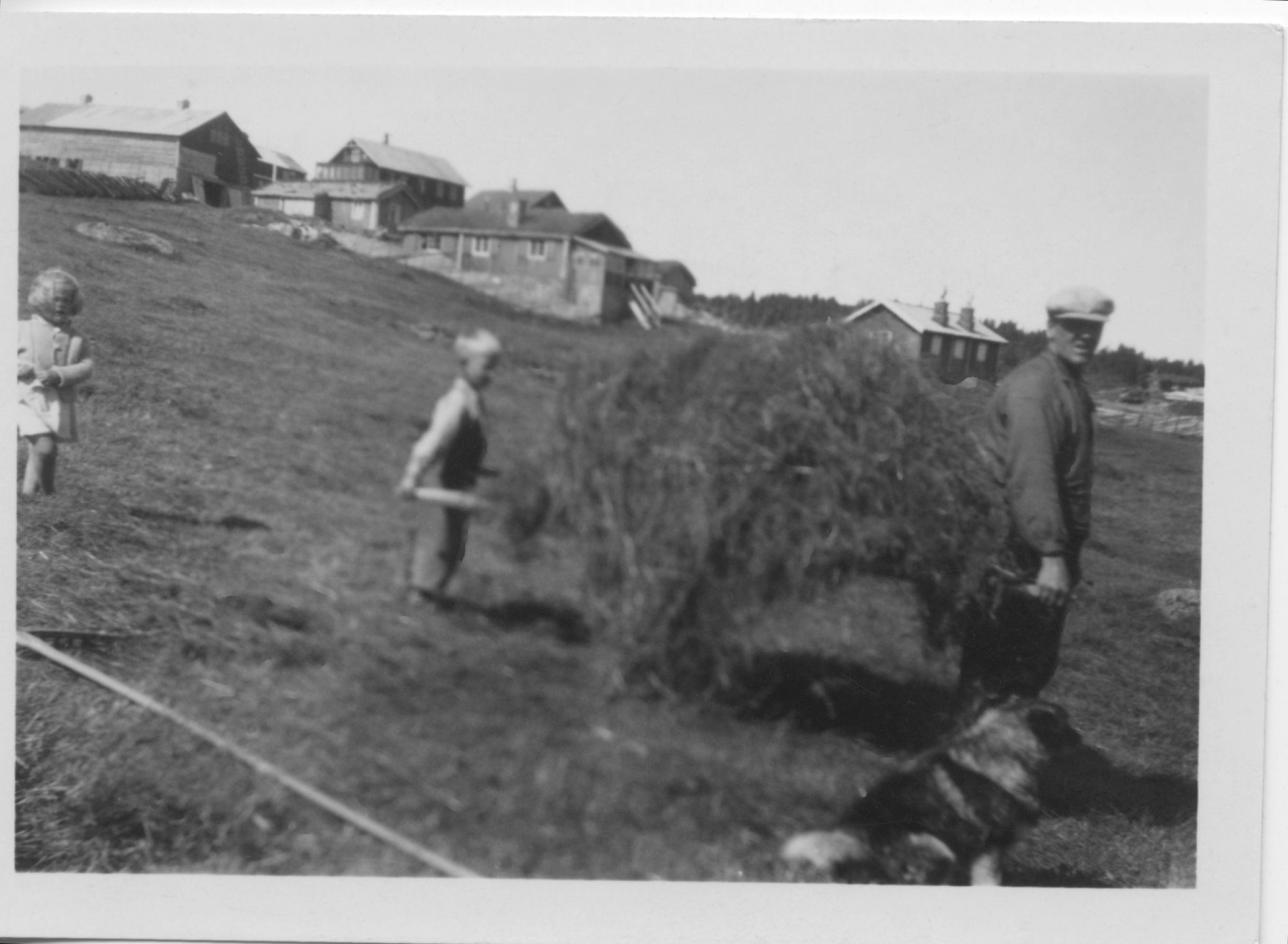
But it has not always been easy to run a hotel in Gudbrandsdalen. Nermo has experienced fire, war and financial crises. Each time, the family has risen again. Perhaps it is this ability to turn adversity into something positive that has kept them going for almost 150 years.
The fire on Easter Eve 1932
The worst day came on Easter Eve 1932.
It was the driver of the northbound train who first discovered the smoke. He stopped the train and sent an alarm down to the farm. When Johannes Nermo returned from Hunder station with Easter guests in the car, people in the farm were already in full swing carried out what they could save and hoisting furniture out of the windows.
But it was to no avail. By the end of the evening, everything was in ashes. The main building. The farm buildings. A hundred guests had pre-booked rooms for Easter. Now they were without accommodation, and the family was without income.
But Gudrun and Johannes Nermo didn't take long to make up their minds. They were going to rebuild. Not soon, but right away.
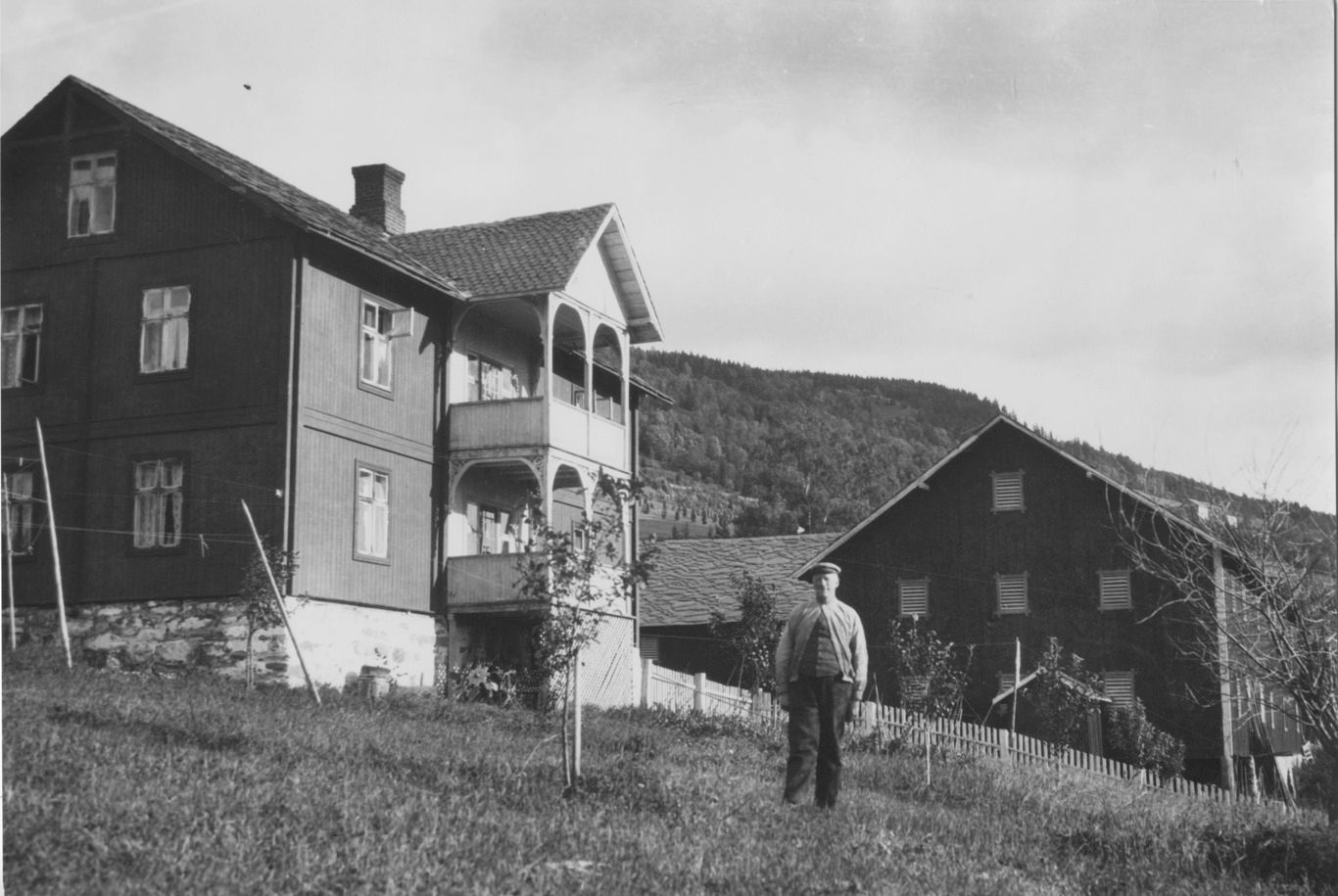
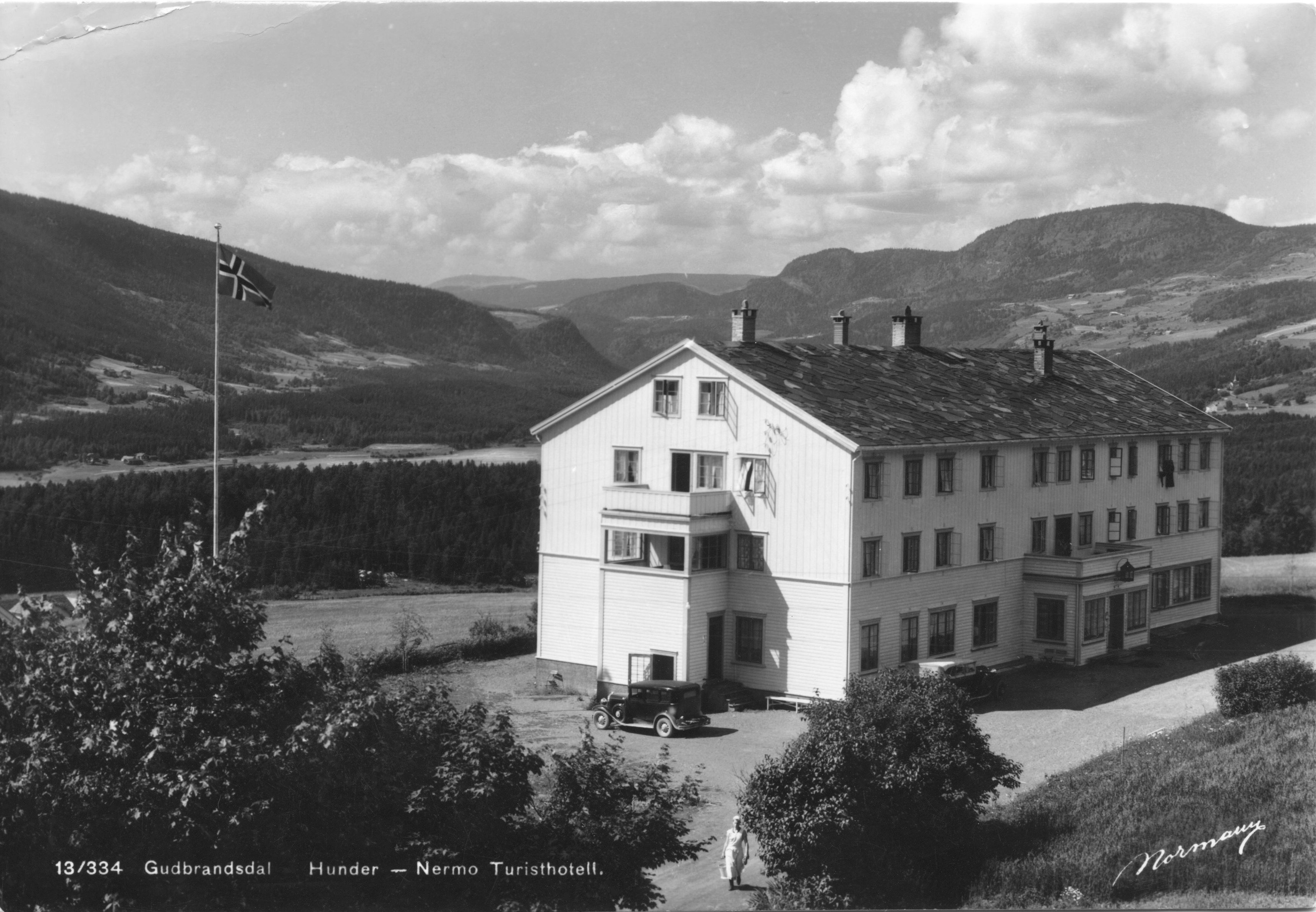
Just one year later, the new hotel building was ready. As many as 36 rooms with central heating and hot and cold water in every single room, which was pure luxury in rural Norway in the 1930s. It is this building that remains the heart of Nermo today. And we have never stopped enhancing it.

The war years at Nermo
The family had barely gotten back on their feet before the next trial appeared. In April 1940, German planes swooped over the hotel. The General Staff moved into Nermo. And the family lost its father.
But in the barn, something else happened, which no one would know about until the war was over. Throughout the war, resistance fighters came sneaking down from the forest after dark. The Milorg resistance organisation had a radio transmitter in Øverlikåken, a small cabin hidden on the hillside above the farm. The batteries had to be charged every night, and the only place with electricity was the barn at Nermo.
The family at Nermo knew very well what was going on, but took the risk anyway. For them, hosting is about taking care of people, even when the cost is high.
And the barn is still there today, although it now houses overnight guests and large conferences.


The post-war period: Food from our own farm
After the war, the economy was tight in Nermo, as in so many other parts of Gudbrandsdalen. In the winter, the family closed off parts of the hotel to save on heating. Just after Christmas, they moved out of their private residence and into two rooms in the hotel building.
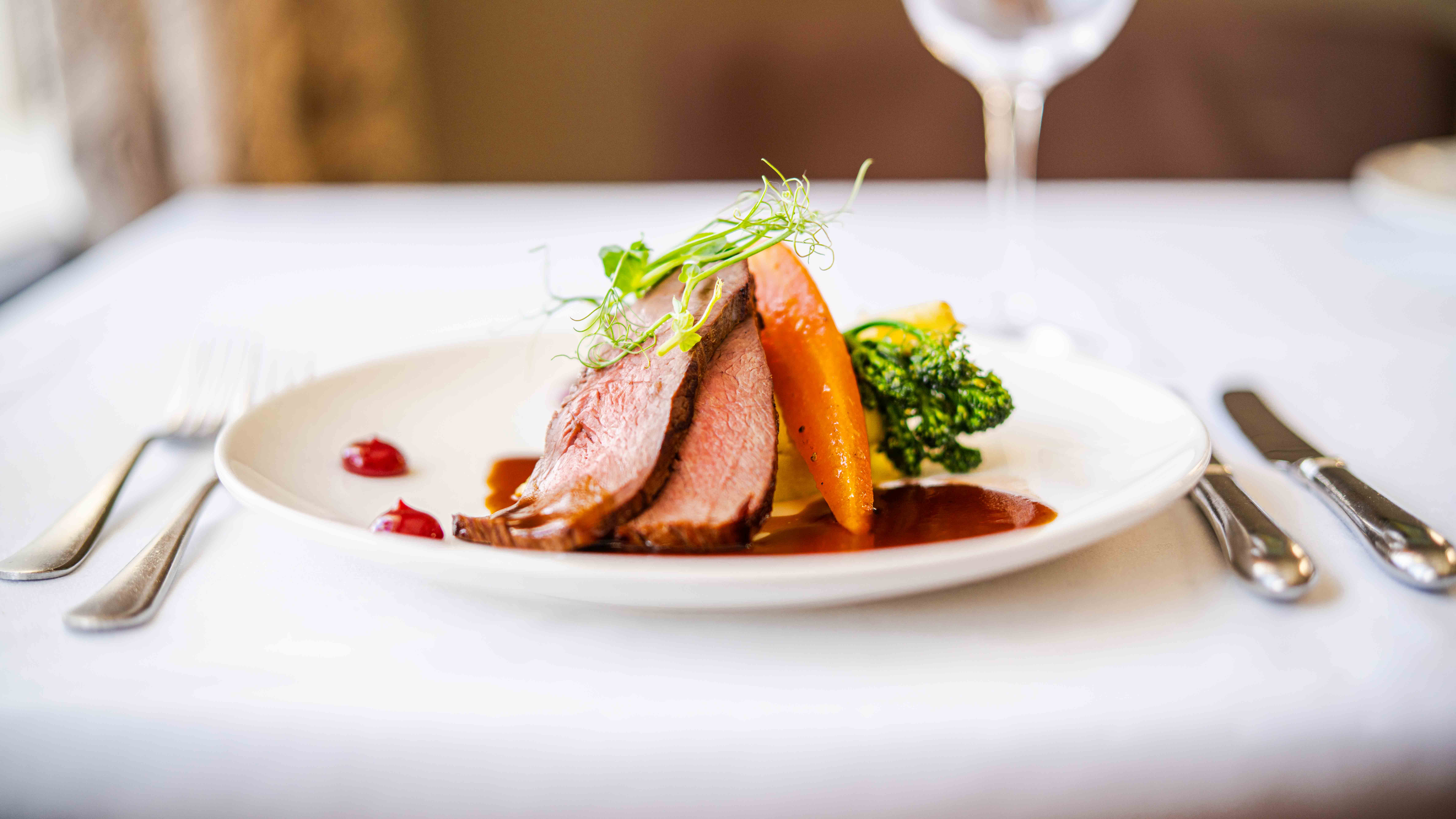
But they stuck to one thing: the food had to be proper. Moose from Gjæslia. Trout from the streams. Vegetables from the garden. It was not something they chose in order to be modern or sustainable. That's simply how you did things.
That philosophy lives on today. Whether they serve food in Nermostuene or at Vidsyn, one of Hafjell's most popular restaurants at the top of the alpine slope, the ingredients come from the same tradition. The kitchen has gotten bigger, the menu has grown longer, but the mindset is the same as Gudrun and Johannes's.
The 1994 Olympics: the selection that changed everything
When Lillehammer was awarded the Olympic Winter Games, Nermo was at a crossroads. The old wooden building from 1932 was in need of extensive upgrading. The fire safety requirements were strict and the costs enormous. The experts recommended demolishing and building a new building.
But the family held a different view. They kept the building and invested everything they had in restoring it. Sprinkler system on all floors. New rooms. A modern standard behind the old walls.
NOK 100 million and many sleepless nights later, Nermo was ready for the Olympics. It was the largest investment in the hotel's history, and the riskiest. But the family knew that it was the building from 1932 that was the soul of Nermo. It could not be replaced by something new.
Five generations, one philosophy
Today, Johannes runs Nermo, the fifth generation in a row. His son Jon is already involved in the operations, while he prepares to take over himself sometime in the future, as the sixth generation.
Johannes has been renovating continuously since he took over. The barn has become a conference centre with modern hotel rooms. Old storehouses have been converted into luxurious suites. And what about the old hotel building?
"The old hotel building is a never-ending renovation object," Johannes says and laughs. While he proudly shows guests around the reception, restaurant, wine cellar and one of the 32 rooms. All of which have a good mix of old charm and modern comfort.
But the philosophy is still the same as his great-grandfather's: people should feel at home here.
Nermo is thus still the only hotel in the area that picks up guests at Lillehammer station. Just like they collected travellers from Kristiania (as Oslo was formerly named) over a hundred years ago. Some things have changed. While others remain the same. And thank goodness for that.

