History of Nermo Hotel: This is how we have been cooking for 150 years
- Home
- Food experiences
History of Nermo Hotel: This is how we have been cooking for 150 years
At Nermo Hotel, the food has always come from the landscape you see outside the window.
The moose comes from the hills in Gjæslia, the trout from the streams in Øyerfjellet, vegetables and berries from the neighbouring farms and herbs from the garden behind the hotel. It has never been something we chose to do to follow a trend. That's simply how things were done here on the farm. And that's how we still do things today.

Peeling potatoes in the cellar
When today's host Johannes was little, he spent his summers with his grandparents at the mountain lodge at Lisetra. There, he got his first job in the kitchen: stirring the broth, and peeling buckets of potatoes.
Grandmother Gudrun insisted that all the food must be made from scratch. No shortcuts and no semi-processed products. And definitely no potato peeler. Except for John, of course.
"My summer job with my grandparents was to sit in the basement and peel potatoes," says Johannes. "Hour after hour, day after day. I thought it was the most boring thing in the world. But Grandma didn't budge: proper food requires proper craftsmanship, she said. No shortcuts."
That was over fifty years ago. But the lesson learned remains cemented today.


5,475 dinners in one journal
In a drawer at Nermo Hotel lies a worn-out notebook that few guests know about. Gudrun Nermo kept a journal from 1951 to 1966. During those fifteen years, she documented over five thousand dinners. Every single dish, including the number of guests and what the occasion was. All written neatly by hand.
The diary is a window into a time long before anyone talked about "locally sourced food". Johannes has his own take on the term: "The food at Nermo does not have few food miles. It has zero food miles." Because the ingredients come from the farm itself, from neighbouring farms, or from the mountains just behind it.
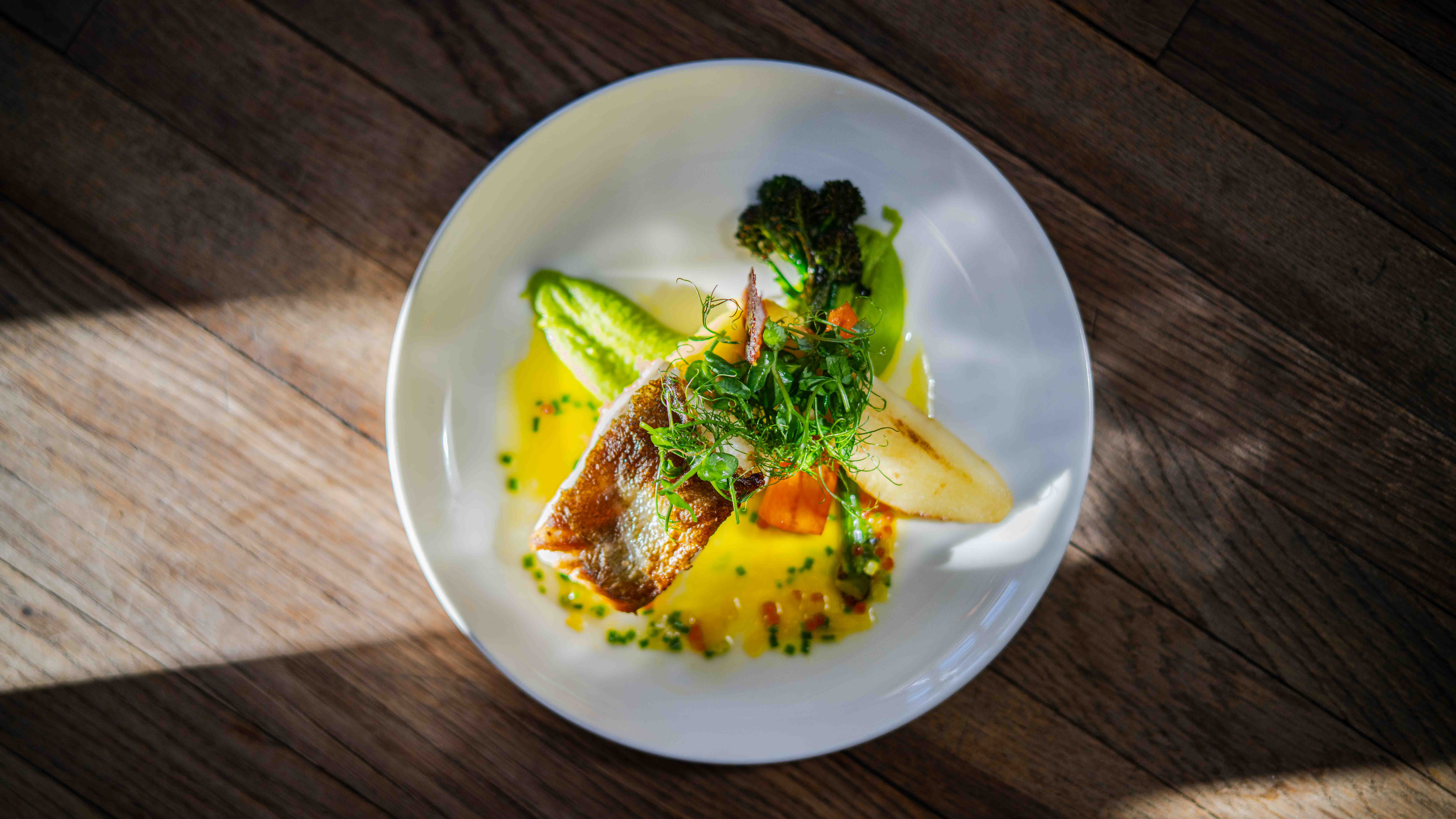
On July 20, 1952, they served mushroom soup, Hunder trout with cucumber salad and strawberries for dessert. At Easter the same year, grouse was on the menu, hunted by the guys on the farm. And on New Year's Eve, the guests were served Ice cream à la Nermo after enjoying broth and grouse.

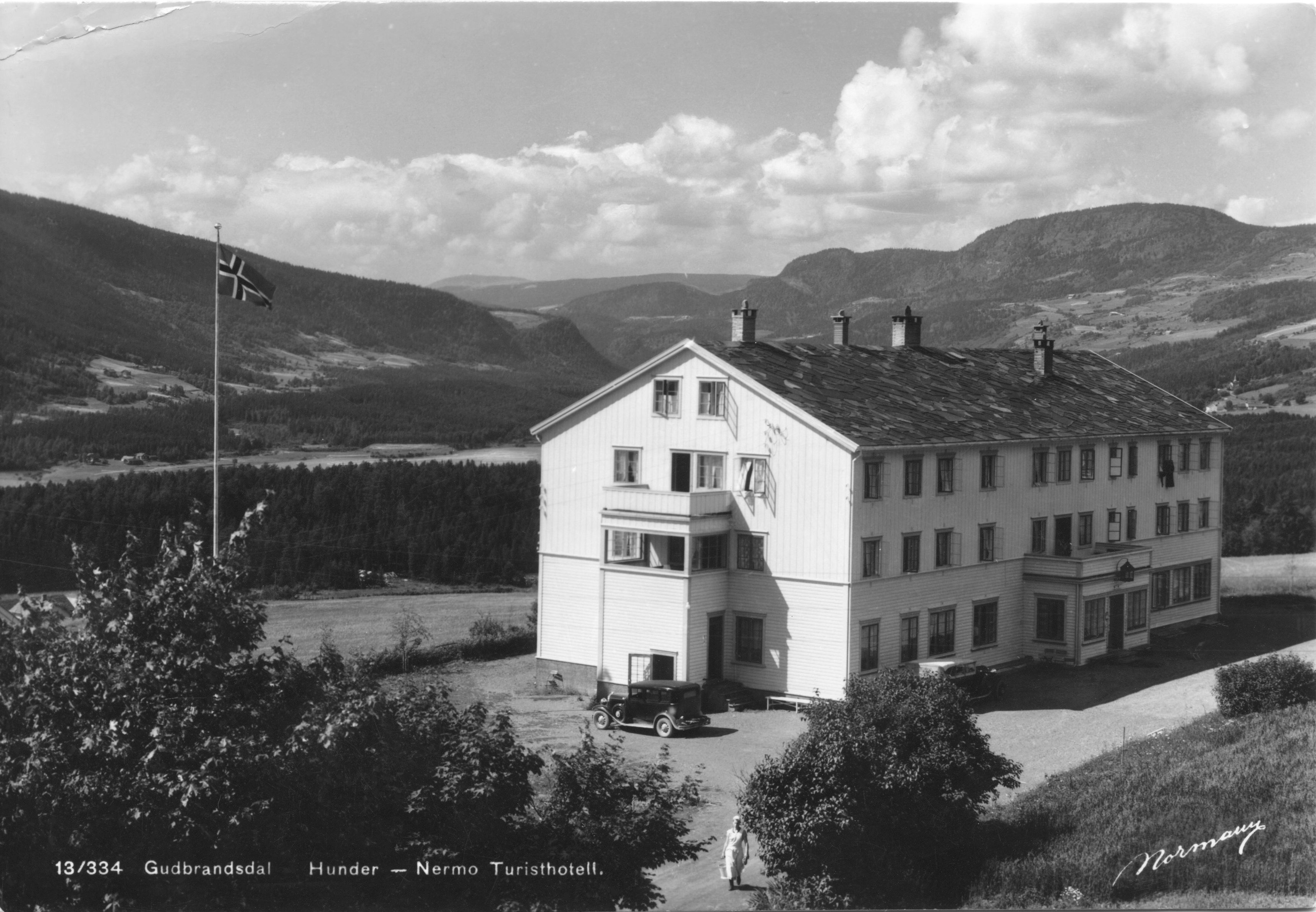
Some dishes are repeated year after year. Moose steak with vegetables. Boiled mountain trout with melted butter. And for dessert: Gudrun's version of tilslørte bondepiker ('veiled farm girls'), a crumble with sour apples, breadcrumb browned in butter and lightly whipped cream. It has been Nermo's signature dish for over a hundred years, before 'signature dishes' were a thing, and is still on the menu today.
The sauce that takes six hours
Grandma's philosophy was not just about potato peeling, but about giving the ingredients the time they need. About cooking broth from bones and vegetables instead of tearing open a bag. About letting the moose fillet rest in the oven at 70 degrees C for hours, until the core temperature is exactly 58 degrees C.
We don't make Michelin-starred food, We focus on the good, genuine traditional meal made from ingredients we find around us and have a relationship with
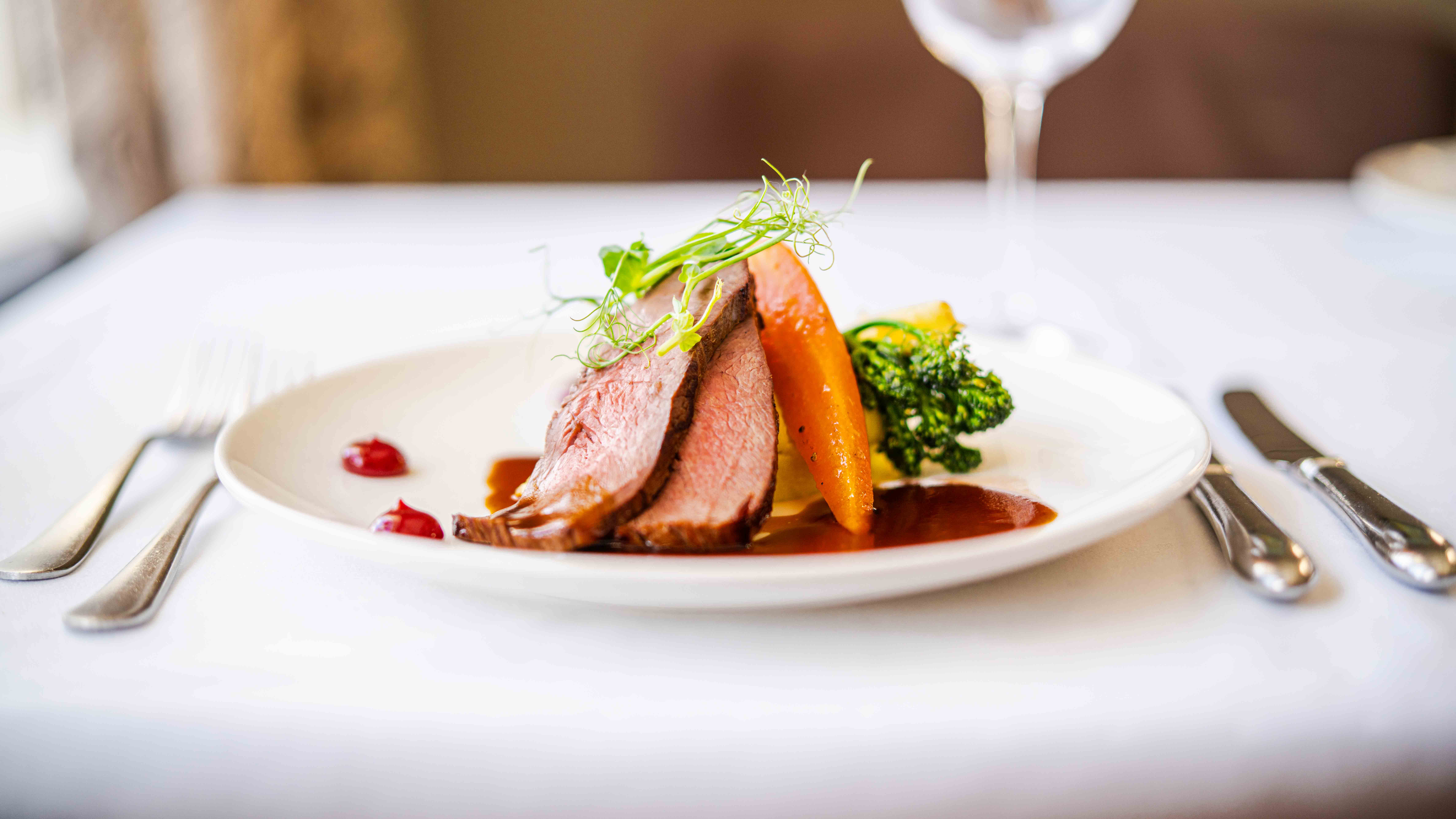
- Johannes, hotel hostAnd that relationship is literally close. The moose on the menu comes from Gjæslia, where Johannes himself has been hunting since his teens. The meat hangs to be tenderized for two weeks before being turned into tenderloin, which is slow-cooked for six hours and served with porcini mushroom sauce and freshly stirred lingonberries. It takes time, but it tastes extremely good.

From farmyard to plate
But "zero food miles food" is about more than moose. Behind the hotel, free-range pigs wander in their own fenced area. They live well, and when the time comes, their meat becomes into cured hams that hang to ripen in the storehouse. They dry slowly, according to old recipes, until they have the exact taste that guests recognize from year to year.
The herb garden is nearby. From early spring to late autumn, it supplies the kitchen's needs: thyme, chives, dill and wild garlic. The chefs can go straight out the back door and pick what they need for supper. It doesn't get fresher than that.
The neighbouring farms have also always been part of Nermo's food supply. Potatoes and vegetables come from the farms just down the valley. Local producers supply cheese and dairy products. Berries and mushrooms are picked in season, by people who know the fields and know exactly where the chanterelles appear when August turns to September.
Four rooms, same pot
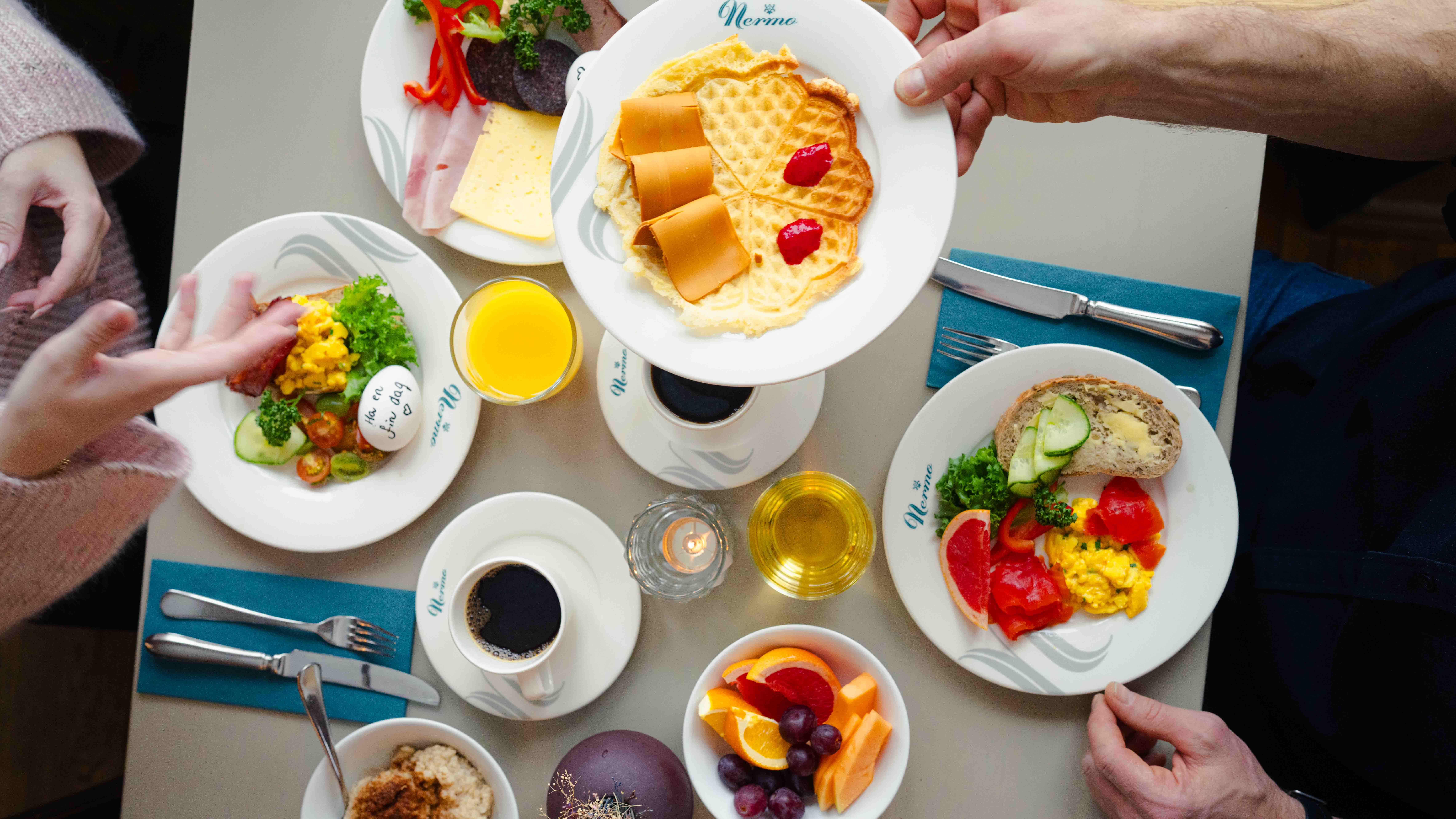
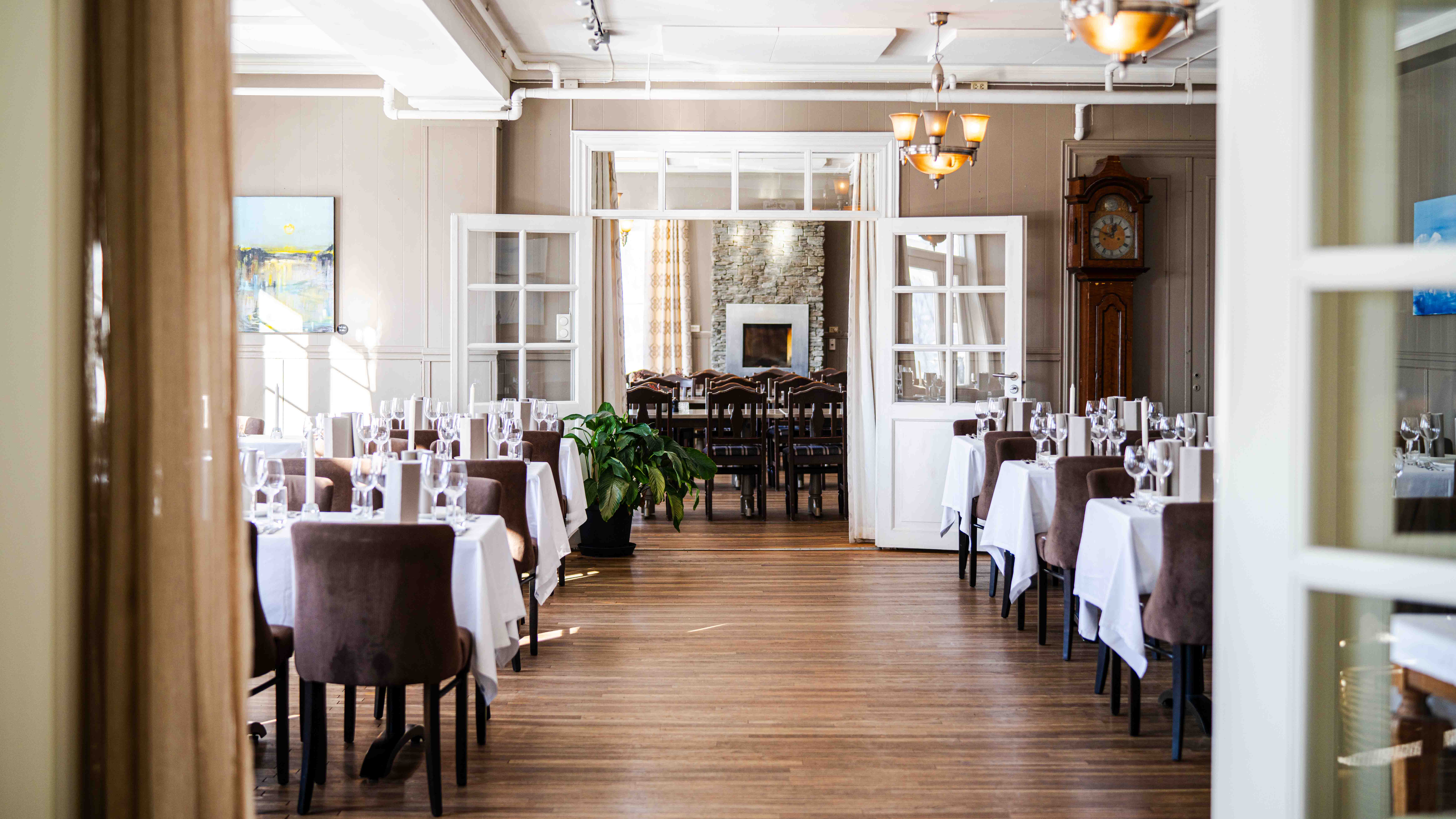
Today, Nermo Hotel serves food in more rooms than Gudrun could have dreamed of. In the restaurant Nermostuene, guests have sat at table since the building was completed in 1933. The walls and the view of Lågen are the same, but the menu has grown.
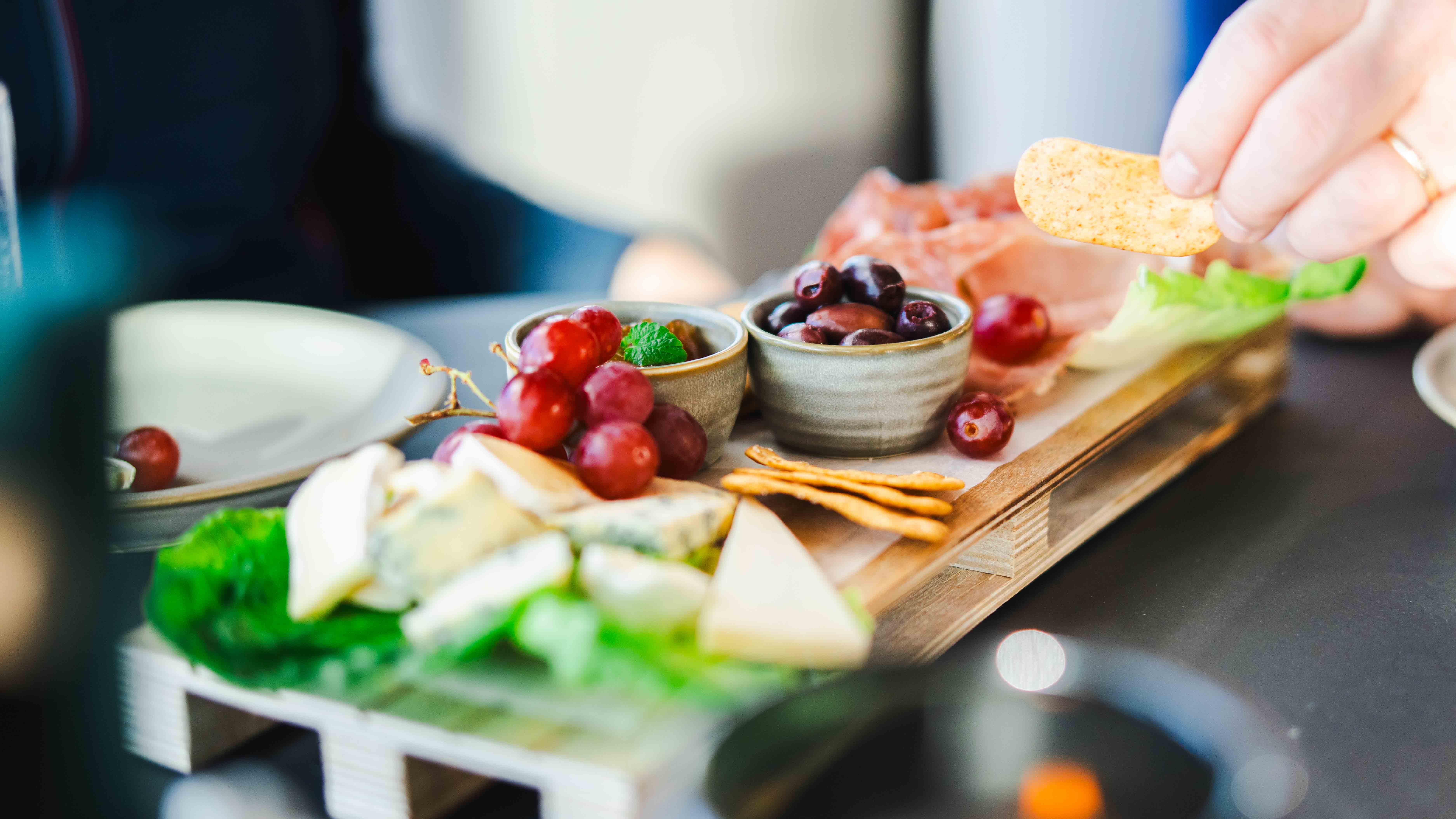
In 2014, the wine cellar on the lower floor opened. In the small storehouse, guests can taste cured meats that have hung and matured right above their heads. And at Vidsyn, up at the top of Hafjell, guests can have lunch with a view of the entire valley before heading out again.
The kitchen has gotten bigger; there are more chefs and the menu has gotten a little longer. But the principle is the same as in Gudrun's cookbook and journal: the ingredients must be first-class, the craftsmanship must be proper, and the guests should remember the meal long after their suitcases have been packed.
History on a plate
There is something special about sitting in the dining room at Nermo and knowing that people have been eating breakfast, lunch and dinner here for almost a hundred years. That the moose on your plate comes from the mountain you see through the window. That the pigs are wandering outside behind the hotel. That the herbs were picked the same morning. That the crumble was served to the county council in 1951, just as it is served to you today.
The recipes are the same, and the philosophy is the same, it's only the year that is new.
